
Irakli Kadagishvili: Approximately GEL 2.5 Billion Is Being Invested to Establish Water Supply Systems in the Regions of Georgia
Media and Society 11 Feb 2026
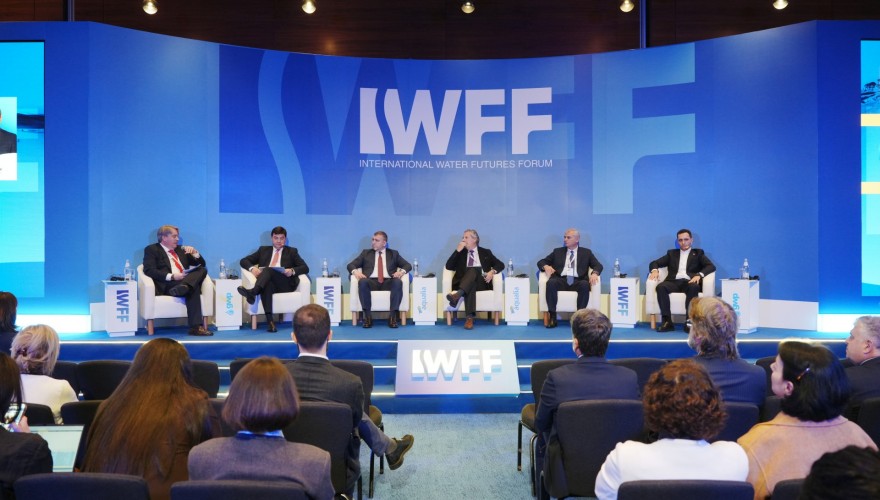
The Chair of the Regional Policy and Self-Government Committee, Irakli Kadagishvili, spoke at an international forum dedicated to water-related issues about infrastructure projects for water supply systems in Georgia’s regions and municipalities.
“Georgia is a country rich in water resources; however, ensuring the delivery of quality water to our population remains a challenge that is still on the agenda. In this regard, together with our partners, we are achieving tangible results, and this does not concern only the capital and self-governing cities. This policy is also reflected in the regions. It is important that the state has a clearly defined, targeted vision and policy aimed at providing 24-hour access to quality water in the municipalities of Georgia’s regions. We are halfway toward achieving this goal, and this is largely due to the legacy inherited from the Soviet period”, - Irakli Kadagishvili stated.
According to him, significant investments are being made to overcome these challenges, both from the state budget and from donor organizations.
“Approximately GEL 2.5 billion is being invested to establish water supply systems in the regions of Georgia. The role of foreign capital in these works is also important. The quality execution of water supply design works has been one of the problematic issues. This challenge later created problems during the operational phase and also affected payment capacity. We are now working to minimize these problems and eliminate them altogether in the future. It is also important to regulate the pricing of irrigation and drinking water in the regions. Therefore, when discussing tariffs and water supply, we must take into account the need to synchronize technical, that is, irrigation water. If this issue is not properly addressed, rural areas will continue to face the problem of drinking water being used for irrigation purposes. This significantly reduces efficiency. This is the challenge we are working on”, - Irakli Kadagishvili noted.
The international forum was organized by Aqualia and GWP and was attended by representatives of the legislative and executive branches of government, Tbilisi City Hall, and the Georgian National Energy and Water Supply Regulatory Commission (GNERC), as well as international and local experts in the field of water resources.