
Shalva Papuashvili: the opposition manifested its inability ever to dare to address the Prime Minister, Irakli Kobakhidze within the Interpellation
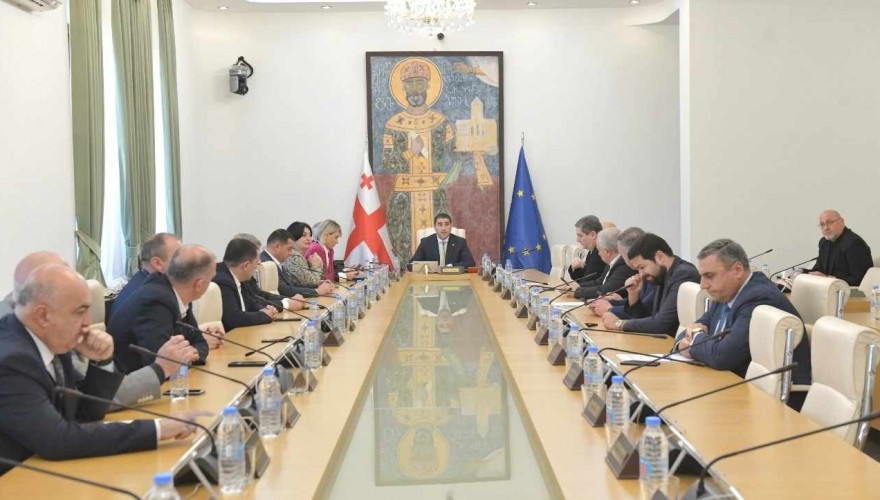
“The opposition manifested its inability ever to dare to address the Prime Minister, Irakli Kobakhidze within the Interpellation. It evidences their capability and skills for entering the contextual discussions”, - the Speaker, H.E. Shalva Papuashvili dubbed the boycott of the opposition to the plenary sessions at the Bureau.
As the Speaker elucidated, the opposition had an opportunity during the spring session to address the Prime Minister within the Interpellation but they dared not to enter the discussions and debates.
“It is an evident example that a group of a few persons with radical agenda hides behind their boom of phrases”, - the Speaker stated.
The boycott declared by the opposition led to the annulment of the Interpellation on May 31, where the Economic Minister, Levan Davitashivli should report to the Parliament.
“The plenary agenda included the Interpellation of the Economic Minister concerning the Bakhmaro issues. The Interpellation address has been developed by a 7-MP group but inasmuch as they are on the boycott, even boycotting their own interpellation, the Minister will not report to the Parliament. It clearly indicates to their attitude to the parliamentary activity, including the interests of the population which they allegedly represent”, - the Speaker noted.
He elucidated the norms of the Rules of Procedure and the boycotting procedures.
“Pursuant to the Rules of Procedure, the boycott shall be applied and declared concerning the consideration of the issue, while declaring the boycott to the parliamentary and plenary activity is a special tradition of the opposition, which hits new heights – they boycott their own interpellation. The interpellation of the opposition to hear the Minister in the Parliament to have him through the crosswinds of the criticism is now boycotted. It must be a unique phenomenon in the world's parliamentary history. Naturally, they will be drastically responded to by the Georgian citizens on October 26”, - the Speaker added.